Co-founder
Beauty Tech, Black Innovation & A Whole Lot to Talk About
We're Live! Black History Month, Beauty Tech, & a chat with Ade Adegbonmire
8 Min Read

Feb 13, 2025

Ade Adegbonmire
Let’s be real. Beauty Technology is one of those terms that sounds cool but also kinda vague. Like…what actually is it? AI skincare? Virtual try-ons? Smart mirrors that tell you your skin looks “tired” when you’re just minding your business?
It’s all of that—but also so much more.
📌 New on The Cosmetech Case → “What the Heck is Beauty Tech?”
I finally sat down and broke it all down: What beauty tech really is, why it’s deeper than just fancy apps, and how it’s shifting the way we experience, create, and interact with beauty. If you’ve ever side-eyed the term and thought, “Okay, but what does this actually mean?”—this one’s for you➡️ [HERE]
But listen—Beauty Tech isn’t just about what’s next. It’s about who’s driving it forward.

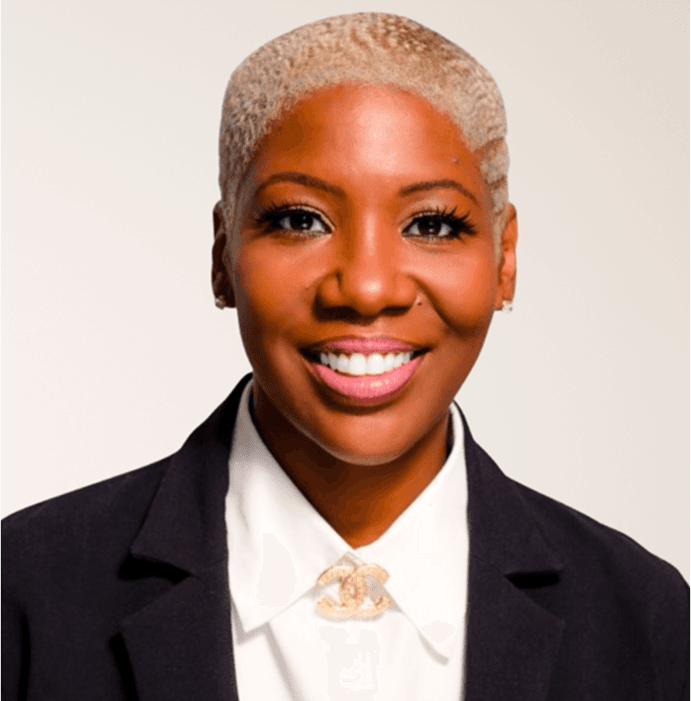
Ade is shaking up beauty tech, making skincare smarter and more inclusive. We get into personalized skincare, AI’s role in dermatology, and the gaps brands still need to fill. From rethinking formulations to crowdsourcing data for better representation, Ade breaks down how technology can change the game. If you care about the future of skincare, you’ll want to tap in👇🏾
Bryana: In your work, you're bridging the gap between skincare, science, and innovation. If you could challenge one mainstream idea about skincare or product formulation, what would it be and why?
Ade: That's a good question. For me, it would be personalization. Mainstream is, of course, not personalized in the sense that formulations are not made specifically for people.
Skincare kind of has a bad rap in the sense that it feels gimmicky. It can feel like it's mostly marketing, like, does this actually work for me? I think that with how technology is advancing, you know, with AI language learning models, we're seeing a lot of native personalization in other tools and other areas of our lives. Especially when it comes to information and how you're getting it. Even when it comes to creating content, you can (now) create that content very easily in a way that's personalized and tailored to you.
But when it comes to skincare, you're still kind of limited to the same way of shopping for products—where this formulation has been made, created, and it sits on the shelf. You know, it has to have preservatives, which is not necessarily good for your skin. But my thing is, how do we go from there to a world where products are actually made specifically for you, for what you need? If you have any allergies or preferences, how do we start taking that information and use it when we're making new formulations for people?
Bryana: You mentioned customization. I think that's a huge aspect into what makes beauty tech, this transformative thing, right? Like you just stated, too, skincare isn't just about products. It's about interaction, experience, and education. So, as someone who is shaping the future of skin health, how do you see technology deepening the connection between people and their skin?
Ade: Technology has a very, very big impact in deepening that connection to our skin. Skin is very complex. Everyone's skin is also different and unique, and our personal experiences, our preferences, are so different. AI is so good at knowing so many things and being able to find the right information for the right person at the right time. So, being able to use technology—like the selfie cameras that phones have—being able to use that technology to analyze skin health and hair health, those are some of the things that I'm very passionate about.
And then, being able to use that data to tailor recommendations based on weather, based on where you are, and kind of giving you information about your health. Because skin is not just about makeup and skincare—it's also about overall skin health. It's about starting to give us some insights into what our health is like by looking at our skin as a marker, right? Like, okay, this happened on your skin—could that possibly mean there's something else you should be concerned about? Technology can really help bridge that gap.
Bryana: I love that answer. So imagine it's 2035, and skincare has evolved beyond what we recognize today. What do you think or hope will be the most game changing shift in how we care for our skin in the future?
Ade: Oh, in 2035—that's in 10 years. I think it's going to be pretty gnarly, what's going to happen in the world of beauty. I hope that personalization has fully reached retail. Right now, you can go online, order from different brands, and get custom products, but I think in the future, you'll be able to walk into a Sephora and walk out with a totally custom product—ranging from lipstick to foundation, maybe even prescription medication for your skin.
When it comes to dermatology-related recommendations, technology will have closed the gap so much that even Sephora could have an in-store dermatologist leveraging AI to create prescriptions on demand. Because honestly, not everything can be fixed with skincare alone—sometimes you need other treatments, and doctors need to be involved. But right now, that process isn't scalable and is very hard to implement. I hope that by then, we'll have technology that allows products to be created on demand, so you don't have to go home and wait. I also think we'll see robots and machines—like some of the ones we're working on at Faculty of Skin—deployed in retail spaces, where you can walk in and walk out with a fully customized product.
Bryana: As a Black innovator in beauty tech, how do you approach creating solutions that not only move the industry forward but also call out gaps in skincare science, making space for deeper representation and real inclusivity?
Ade: Honestly, when it comes to technology, that's a big challenge, because a lot of data sets aren't based on Black skin. We're at a point where we're considering doing our own research—collecting data and conducting studies specifically to build robust data sets for Black skin. But that requires a huge amount of funding, which we don't currently have.
For now, we're making sure to speak up about the challenges—about the lack of data, the fact that many AI models aren't trained on Black skin, and how that's becoming a real issue. One way to fix this, apart from conducting our own research, is by collaborating with companies that have small but valuable data sets. By weaving those together, we can start to create solutions. We're also reaching a point where we can crowdsource this data—where people can willingly say, Hey, I'm using this tool because it will help improve global understanding of my skin type. I think that's going to be a game-changer for the future.
Bryana: I love that you didn't try to sugarcoat it—you were just honest. AI is not where it should be yet, but the work is being done. That's why I'm excited for the future and seeing what companies like Faculty of Skin will do. Okay, last question: If you could tell the people who will read this something they don't know about the Faculty of Skin, what would you want the world to know?
Ade: That's interesting. I mean, a lot of people don't know about Faculty of Skin at all because we just launched it, like, two seconds ago. But what I'd want people to know is that we're really excited about personalized skin care.
I believe personalization is going to be the biggest shift in the industry. Right now, there's no shortage of products on shelves—the real shortage is in personalized care. There's a lack of solutions that say, This is what you should use based on what your skin looks like, based on your concerns, based on your preferences. And then, actually creating that product for you—there's still a huge gap in that space.
So, if there's one thing I want people to know about the Faculty of Skin, it's that we're deeply passionate about making personalization happen. We're working on enabling mass personalization—something that was promised 10 years ago when I started researching this, but we're still not quite there yet. Faculty of Skin is pushing to make that a reality, and I hope we can make it happen sooner rather than later.
Be sure to stay up to date with Ade and Faculty Of Skin!

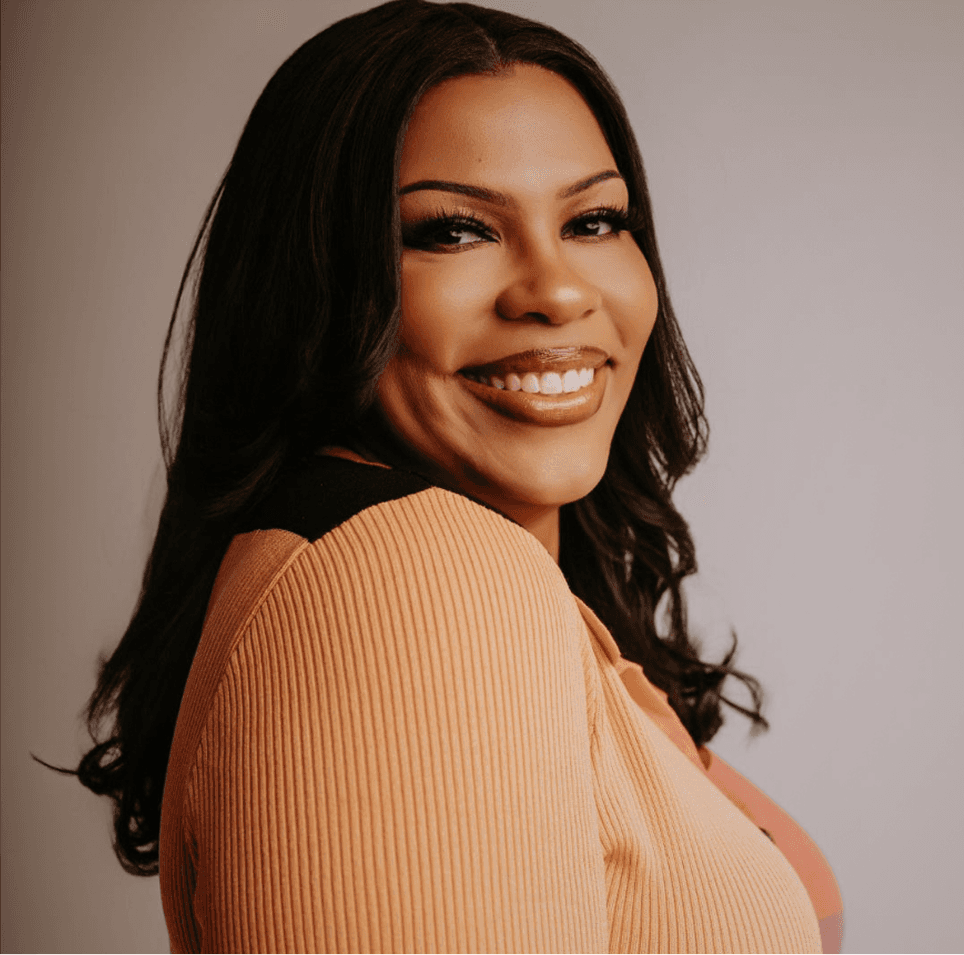
Bryana Ellis
8 Min Read
Feb 13, 2025
The Founder of The Cosmetech Case decoding how beauty, tech, and culture influence who we are and where we’re headed


Subscribe to The Cosmetech Case
A newsletter by the Cosmetech Case decoding how beauty, tech, and culture influence who we are and where we’re headed.