Founder & CEO
Beyond the Buzzword: How Diversity is Reshaping Beauty Tech
Breaking silos, redefining beauty, and using biotech for a smarter industry—Cynthia Johnson breaks down how it’s happening.
9 Min read

Feb 27, 2025
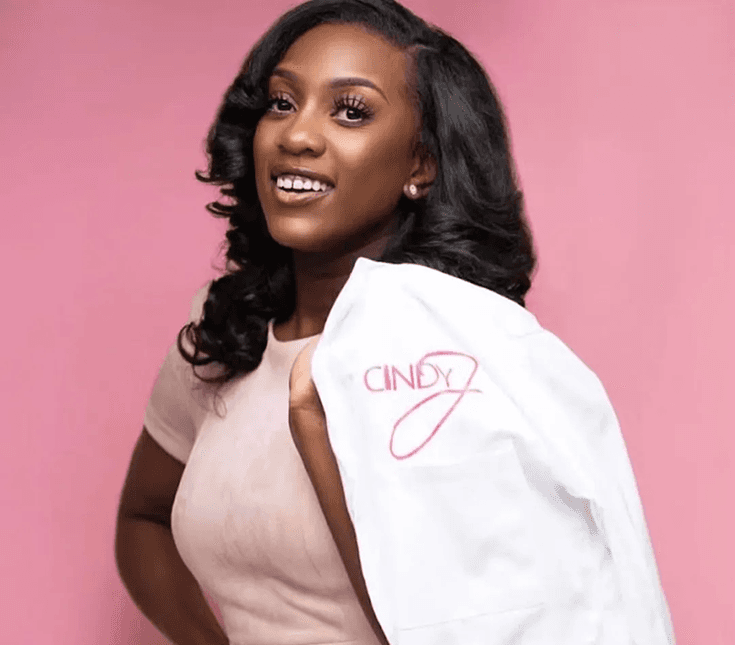
Cynthia Johnson
Hey there, my fellow curious thinkers,
Lately, it feels like “diversity” has become a buzzword people either overuse or avoid altogether. Diversity isn’t just some checkbox or corporate initiative. It’s the secret ingredient behind innovation, better products, and a beauty industry that actually works for everyone.
In a world where some may wish to halt progress, the beauty tech industry exemplifies that inclusion is essential and the driving force propelling us toward a brighter future!
Think about it like this: If I was building an AI system for shade-matching but only trained it on one skin tone, it would fail…badly. The same applies to product formulation, marketing, and even the technology that powers the future of beauty. Biotech (the use of living organisms and biological processes to create new products and technologies), AI, and inclusive formulation are essential for innovation. Embracing diverse voices unlocks the potential to create impactful products that meet everyone’s needs. The future I want you and me to live in celebrates vibrant collaboration!
In my latest blog post, I explore how diversity fuels innovation, the gaps we still need to close, and why companies that embrace inclusion win—period!
Read 📖: Code, Culture, and Cosmetics: Why Diversity in Beauty Tech Matters
This week, I had the privilege of interviewing Cynthia Johnson, founder of Cindy J Labs, who is doing the work to ensure that beauty innovation isn’t just an exclusive club. In our conversation, we broke down misconceptions about cosmetic chemistry, the power of diverse voices in product development, and the future of sustainability in beauty. Her insights on biotech, AI, and inclusive formulation? A must-read⬇️
Bryana: From your perspective, what’s a common misconception about cosmetic chemistry? How do diverse voices, especially those in beauty tech, contribute to and drive innovation in product development?
Cynthia: A common misconception in society is that people think cosmetic chemistry is just about mixing ingredients, like, “Hey, I have this ingredient here, I can buy that ingredient there, and now I’ve created a product.” But that’s not how it works.
Another common misconception within the cosmetic chemistry world is the idea that you don’t need a science background to be a cosmetic chemist. Yes, you can learn more about cosmetic chemistry through coursework, and yes, you may even take classes or courses. But having a chemistry background is such an important piece. It’s really the missing link in cosmetic chemistry.
We see many DIY projects; there’s nothing wrong with them as long as a cosmetic chemist helps you navigate the chemical reactions and ensures the formulation is safe and effective. Cosmetic chemistry schools and manufacturers typically require some kind of science background, which is important. However, I do see more people taking the time to enroll in courses. There are cosmetic chemistry courses and personal care product development courses. These programs are helping to bridge the gap between these misconceptions.
Having diverse voices means inclusive product development. Inclusivity doesn’t just mean your own race, gender, or whatever. We have to consider other races and genders when creating products. Races and genders mean different hair types and skin types.
If a brand owner wants to target a specific skin type, we must be very intentional about the ingredients we choose. Including inclusivity in product development helps not only cosmetic chemists but also brand owners and founders.
In different manufacturing settings, the one percent looks like one group, but the end consumer looks like another. It’s imperative to have the end consumer’s voice in the area or space because they are the ones buying. The people developing the product need to ensure the ingredients are inclusive of their skin or hair type.
It’s important to include the consumer base and other voices that can help bridge the gap between different product development needs.
Bryana: I love that answer. Formulating a product is a delicate blend of science, history, culture, and storytelling. How do you balance these elements, and what is something about research, development, or manufacturing that people often overlook? Skincare product development isn’t just about designing for one specific group—no race of people is a monolith, and neither is any gender. When creating a product with a particular audience in mind, what key factors do you focus on, and what aspects of the process might people not realize play a role in developing a product that truly meets their needs?
Cynthia: Storytelling and product development in research and development go hand in hand. A crucial part of R&D and manufacturing is testing—stability testing, preservative efficacy testing, clinical testing, irritation testing, and dermatological claims testing. The FDA doesn’t legally require these tests, but they are imperative because they allow you to create your story.
I use innovative ingredients in storytelling. So, how are these ingredients helping my formulation? How is the formulation helping with testing? How does testing impact the consumer? Those innovative ingredients and bridging that gap into the final formulation create the story.
For example, if you use holistic ingredients like amla oil or fenugreek extract, which are meaningful to you, you need to create a science-backed formulation. The formula must consider chemical reactions and undergo testing to ensure it is safe for the consumer. That is when you have truly created your brand. The crucial moments in R&D and manufacturing shape the storytelling of product development.
Bryana: That makes so much sense—those most impacted should be involved in creating the solutions. What cultural influences shape your approach to beauty innovation, and how can we create more opportunities for Black chemists, formulators, and beauty tech entrepreneurs to thrive?
Cynthia: With cultural approaches, it’s always about the end consumer. How can the end consumer resonate with the brand? One way to do that is by visiting hair salons, barber shops, and cosmetologists or estheticians because they are the ones using the products professionally.
If chemists are stuck in the lab, how can we innovate based on consumer or target market needs? We must go outside, talk to people, and connect with professionals and end consumers. Beauty professionals engage with consumers every day. They discuss pain points, innovation, and the future of beauty.
It makes sense for chemists to connect with beauty professionals because they are the ones having these conversations. That helps us become better chemists, able to identify ingredients that target scalp rejuvenation, dryness, brittleness, and other concerns. We have to engage and collaborate with beauty professionals.
I don’t know where this divide came from. Dermatologists, cosmetic chemists, beauty professionals, and researchers are all working in their own bubbles. We can drive meaningful change when we come together and have honest conversations.
Bryana: Regarding meaningful change, I want to ask you about the Cindy J Expo. How do you see the community shaping the future of beauty tech? After hosting the expo, what impact do you hope it continues to have in bringing professionals and innovators together?
Cynthia: With Cynthia J Expo, it was about bringing the community together—not just for Baltimore, but for Black women and Men. We were very inclusive and intentional. We welcomed everyone, but it was a safe space for Black beauty founders to have honest conversations about celebrating achievements or identifying opportunities. It was a way to figure out what opportunities we target together to help each other become successful beauty brand owners.
The future of beauty tech will require contributions from all sides and all areas to build a truly inclusive beauty industry. We can’t keep reverting to the idea that the European standard is the only standard of beauty. Beauty is about everyone—inner beauty and outer beauty. What I look like is beautiful, and what she looks like is beautiful. There is no one standard. If we can move past that, we can come together and create more products that are missing in the industry.
The beauty world has done a better job in recent years of amplifying Black spaces and voices. I can only speak for my community because that’s where I engage most, but I would love to have conversations with other communities. What are you lacking? Is there a commonality we share? How can we help each other? The future of beauty will bring communities together to truly understand what is needed rather than reinforcing a single standard.
Bryana: If you could create a futuristic beauty product with sci-fi-like technology, how would you incorporate AI, biotechnology, and sustainable ingredient innovation to propel the industry forward over the next five years or in the future?
Cynthia: I’ve seen a few AI tools, especially with raw material suppliers and even Sephora. Sephora has shade-matching technology and other innovations they are developing. Some raw material suppliers have AI tools where, if you have an ingredient, you can essentially take a selfie. The AI performs a half-face test—one side without the ingredient and one side with it—showing the difference in facial or skincare needs. I think that’s pretty cool.
I see sustainability becoming more prominent, especially in biotech. The biotechnology industry doesn’t get enough credit for ingredient sourcing and formulation. More people are using upcycled ingredients. For example, if you peel an orange, instead of throwing the peel away, you can give it to a manufacturer, who can upcycle it into a formula ingredient.
I would love to see more AI and technology development in the ingredient space, particularly within biotechnology. This could include biodegradable plastics, which significantly impact the food industry. The development of biodegradable materials for ingredient formulation would be a game changer. AI, technology, and biotechnology advancements in this area would allow chemists to create more stories around sustainability, upcycling, and biodegradability while helping brand owners develop eco-friendly, conscious formulations.
Bryana: If you could share something about Cindy J Labs that people may not know but should, what would it be?
Cynthia: Personally and business-wise, I would say that Cindy J Labs is looking to become an incubator hub for brand founders. An incubator would mean having all areas of product development under one roof. We would have a brand strategist, a marketing strategist, a manufacturing facility, testing, and even salons. Everything from social media marketing to packaging, labeling, and regulatory development would be included. I would love for Cindy J to be an incubator hub for small businesses. It’s not something I talk about often, not because we want to be quiet about it, but because we want to take the necessary steps without boasting. That is something I would love to see Cindy J become.
Also, I used to say this often, but I don’t think people realize it when they see me—I was a student-athlete. I played basketball and volleyball, and that foundation shaped me as a business owner. For aspiring business owners and chemists, I always say go back to your foundation. Figure out what your strong suits are and build on them. For me, it was communication, teamwork, development, and leadership. Grasping those skills is what helped me become the business owner I am today.
As we consider the future of beauty tech, it’s crucial to ask who influences the products we see and whose stories remain unheard. Diversity isn’t under attack because it is ineffective; it’s under attack because it works.

Bryana Ellis
9 Min read
Feb 27, 2025
The Founder of The Cosmetech Case decoding how beauty, tech, and culture influence who we are and where we’re headed


Subscribe to The Cosmetech Case
A newsletter by the Cosmetech Case decoding how beauty, tech, and culture influence who we are and where we’re headed.